
Master wet cliffs. Outrun the tide.

Physics that matter, stakes that are real, seecrets hidden in the limestone.
MotionCove shifts its track every 12 hours. Tidal cycles push racing lines through caves—some shortcuts only exist when the water's high, others vanish when it drops. Unreal Engine 5 runs the water in real time while you're fighting for grip on cliff edges where milliseconds determine winners. Made for people who live on iRacing and hunt every line like a collector.
What Makes MotionCove Different
Why people keep coming back.
Tidal Systems Reshape Every Session
The track changes. Water levels shift just over two meters across a twelve-hour cycle, and every shift rewrites which lines work. Low tide opens cave passages that flood by mid-afternoon — shortcuts vanish, the grip map you memorized yesterday becomes useless, and you're essentially learning a new track.
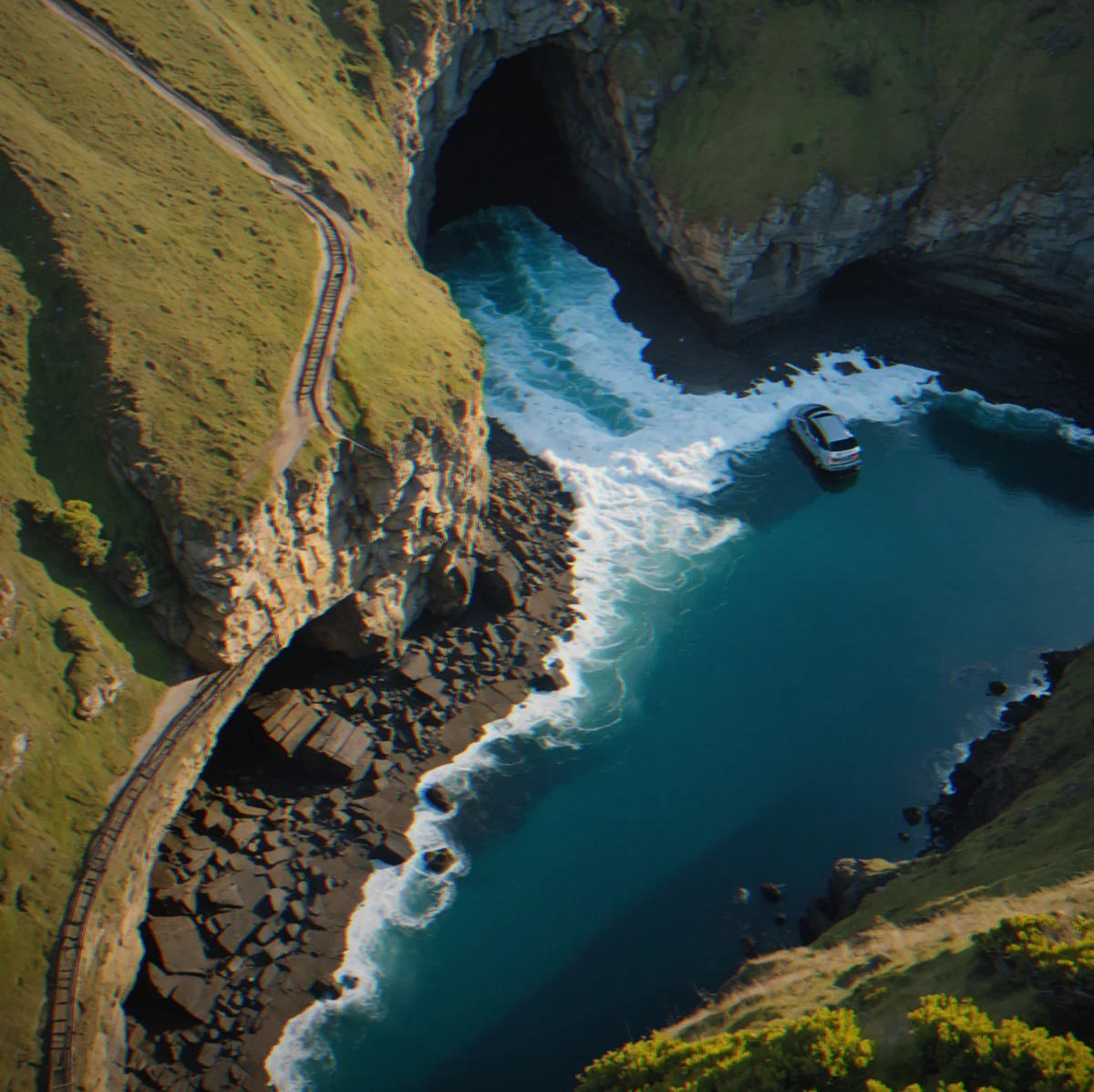
Unreal Engine 5 Water Simulation
This isn't a repeating texture. Water actually exists in real-time — volumetric, responding to wind and tidal pressure and rain. The limestone soaks up moisture unevenly, creating tiny grip variations scattered across the surface. You find them by pushing hard and remembering where your tires lost it.

Hidden Passages Through Limestone
Some shortcuts only exist when the tidal window is right. The cave system has routes nobody's posting on leaderboard guides — they appear, then flood, then appear again. You can learn the geometry all you want. But knowing when the water lets you through? That's what separates people.
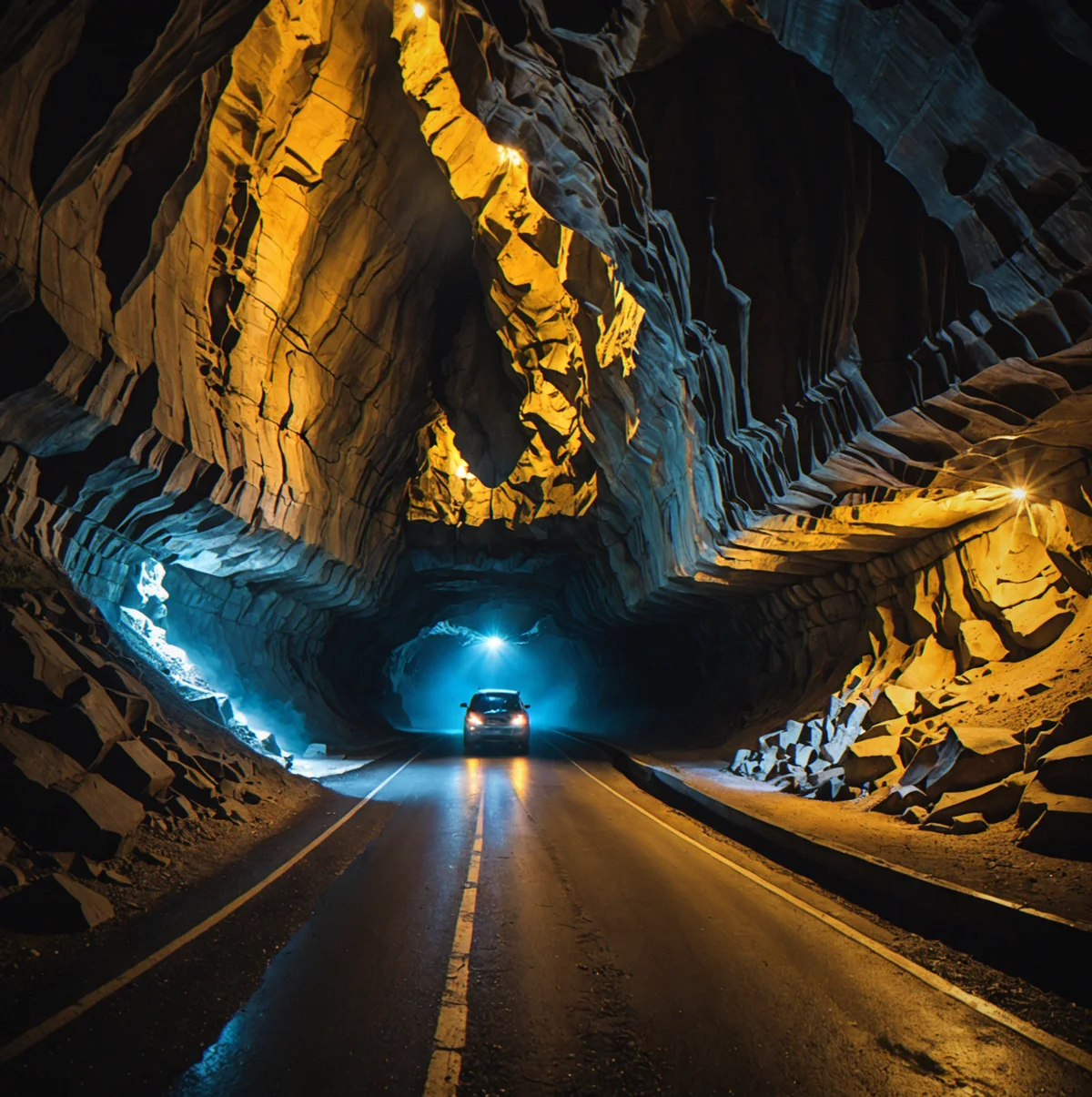
Precision at 47° Banking
That cliff corner has extreme banking and a sheer drop below. Dry conditions let you take 148 kph through the apex. Wet, you're down to around 119 kph. The difference between nailing it and tumbling into the ravine comes down to centimeters, and tidal pooling at the inside edge shifts your grip one more time, forcing you to adjust your approach.
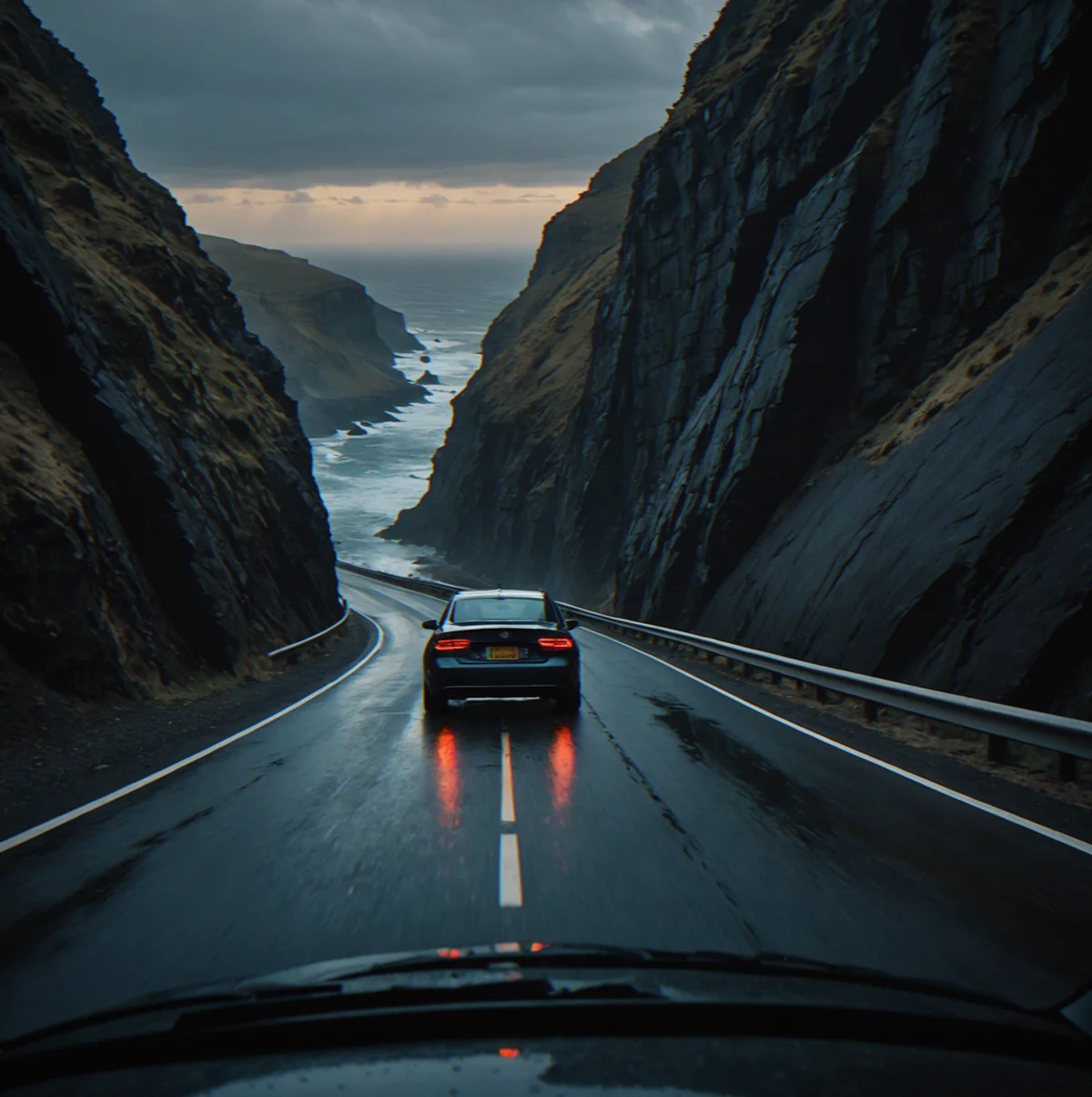
Salt Spray Corrodes Traction
After a coastal storm hits, the track stays slippery for several sim-hours because mineral deposits don't dry evenly. Wind direction gets tracked to three decimal places and actually matters for drying speed. Salt spray from the southwest behaves differently than the same wind from the northeast because of how terrain channels moisture and which way the sun hits.
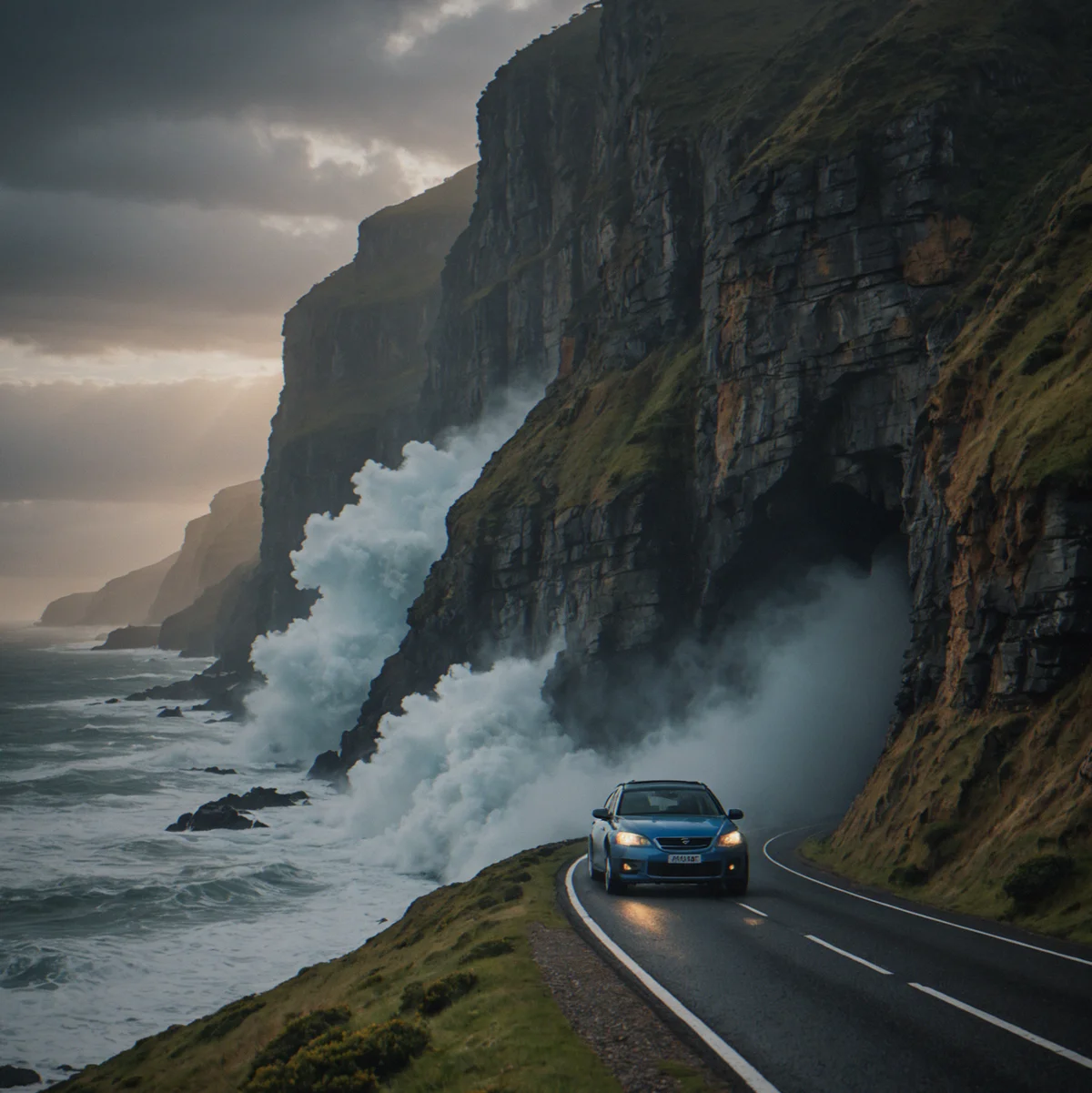
A Place, Not Just a Track
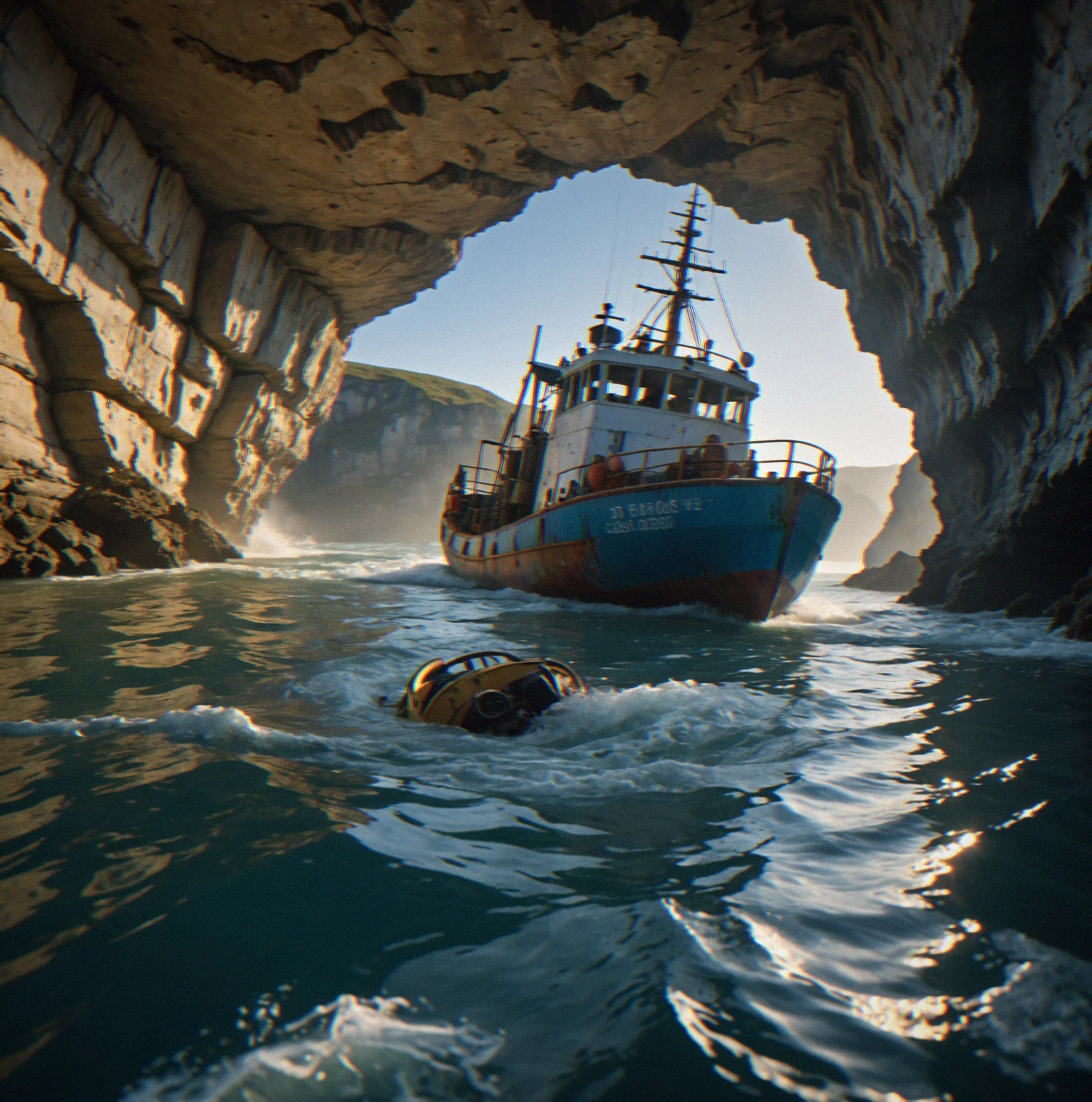
Weathered boathouses sit along the lower sections. A working lighthouse spins every eighteen sim-minutes. A wrecked ship sticks up out of shallow water. None of it helps you lap faster, but after you've spent enough time here you stop seeing MotionCove as a map. It becomes an actual place you know, with its own moods and hidden corners.

How Tidal Mechanics Reshape Your Racijg Line

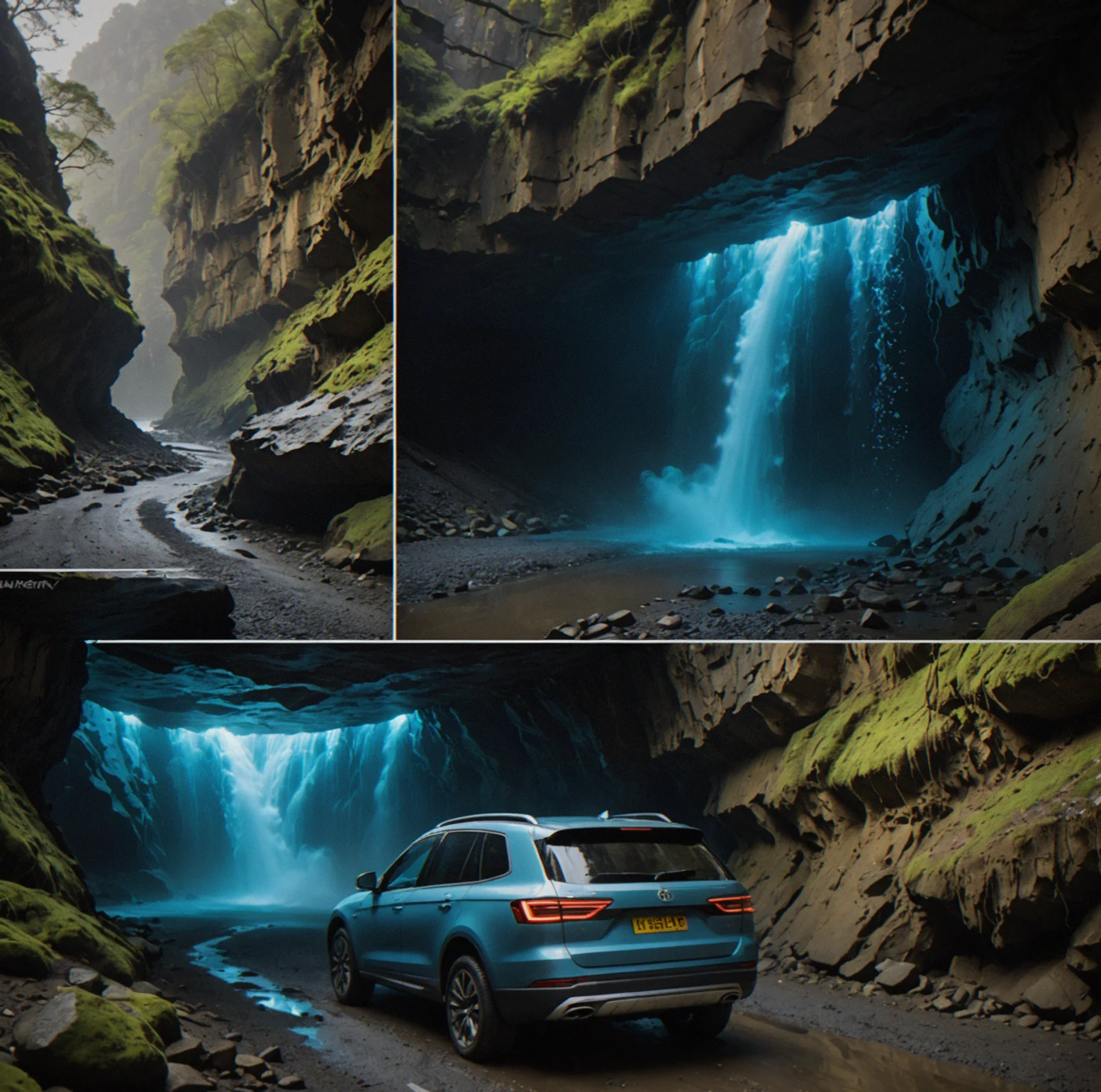
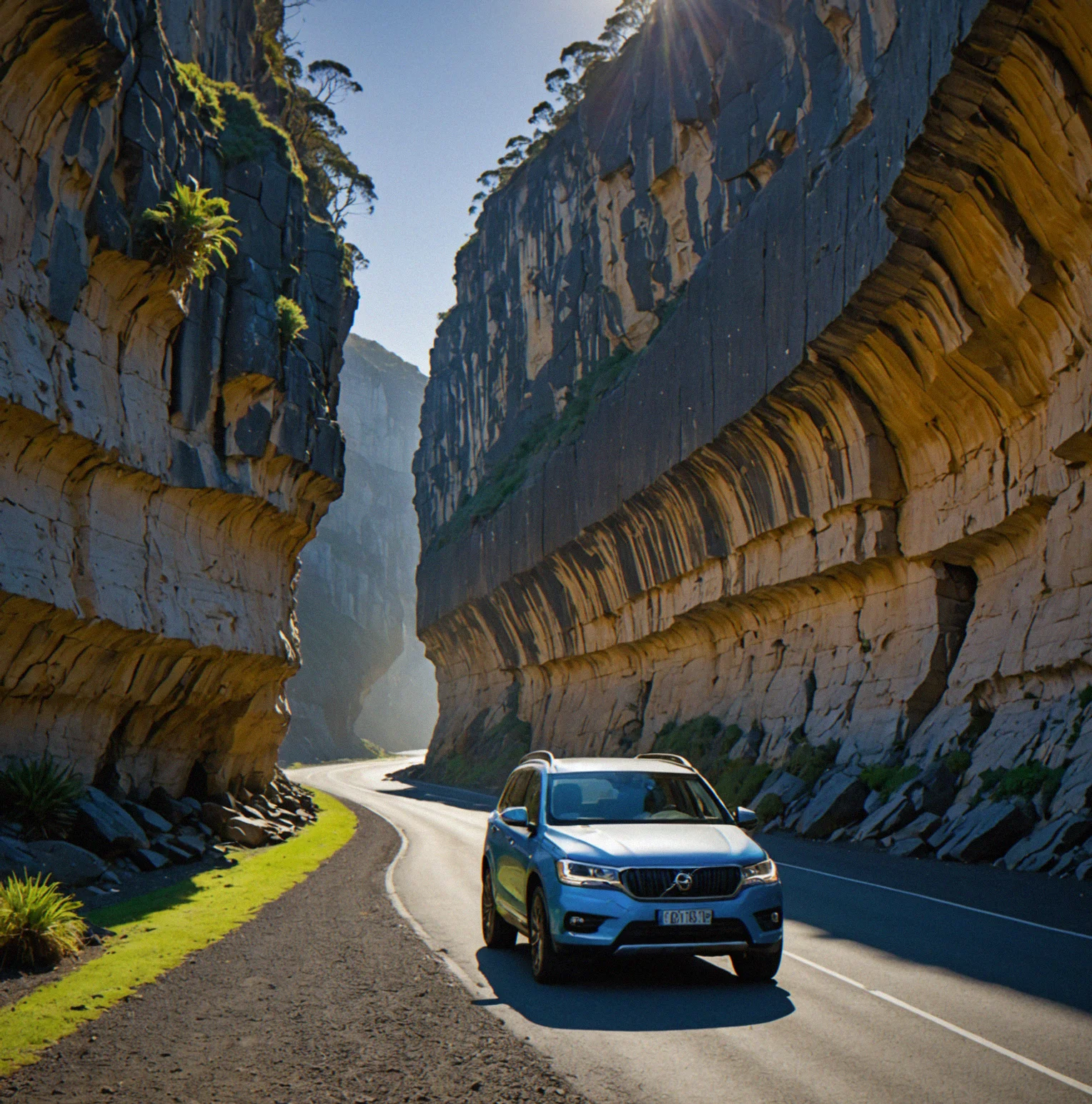
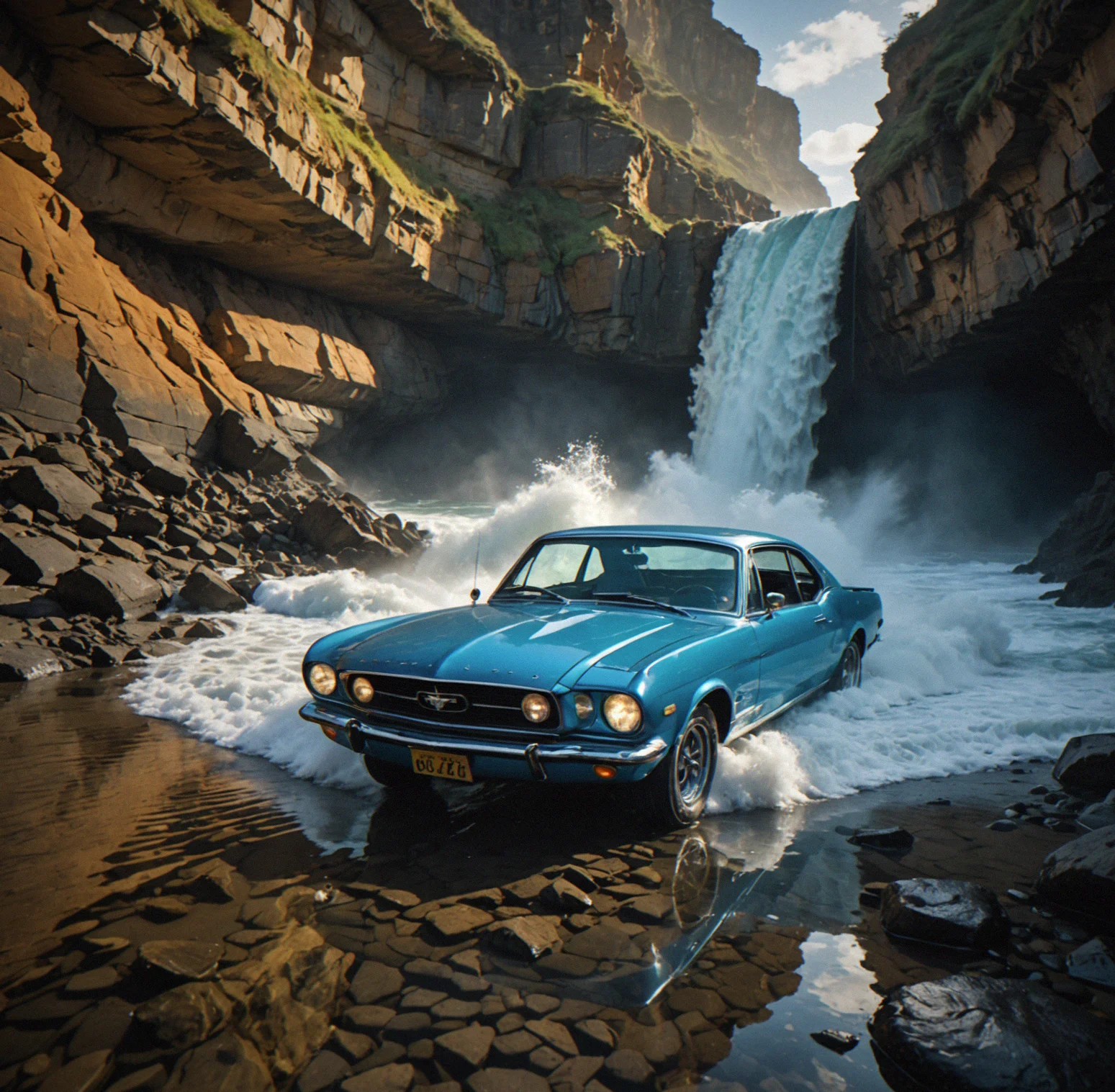
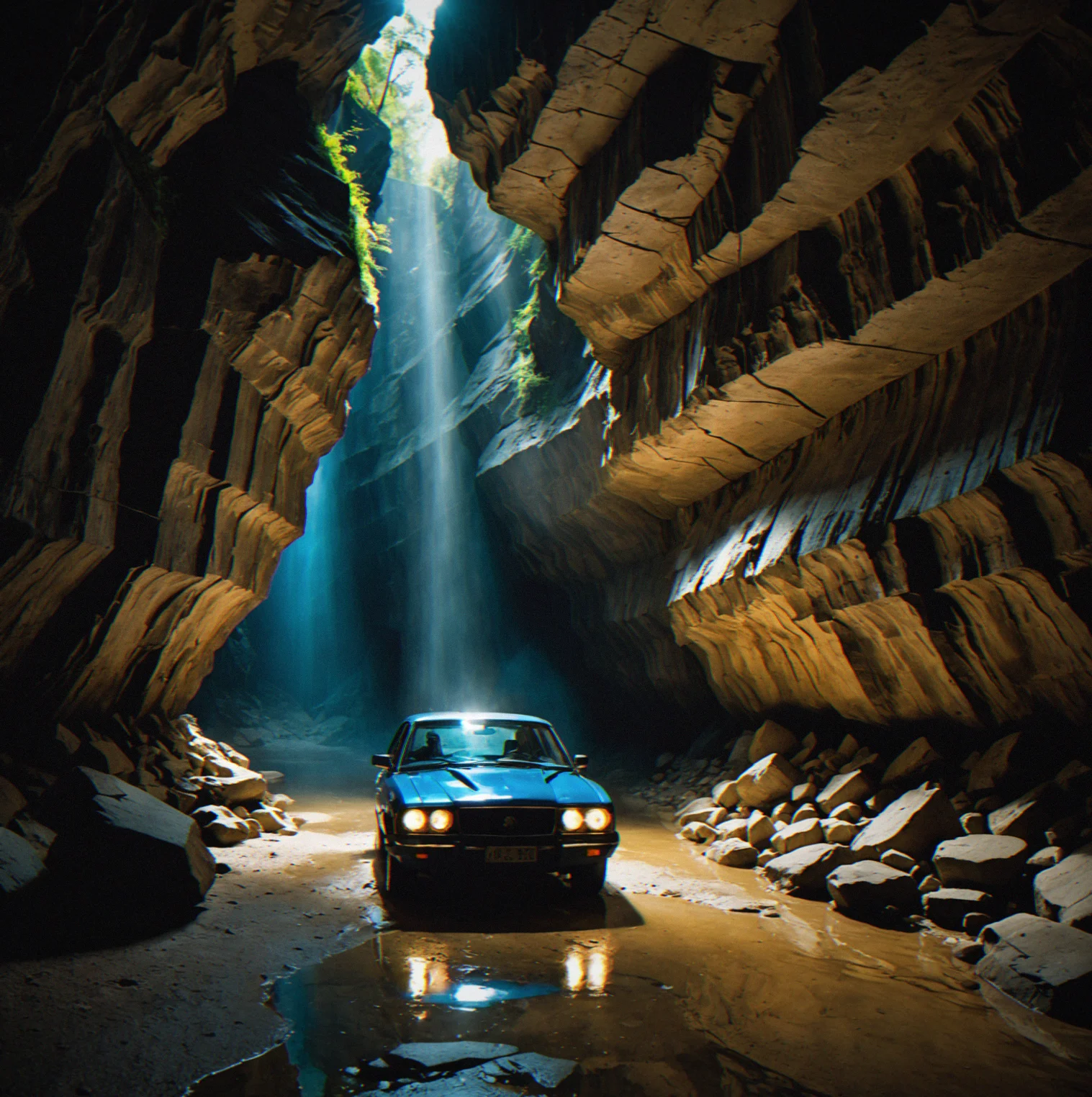
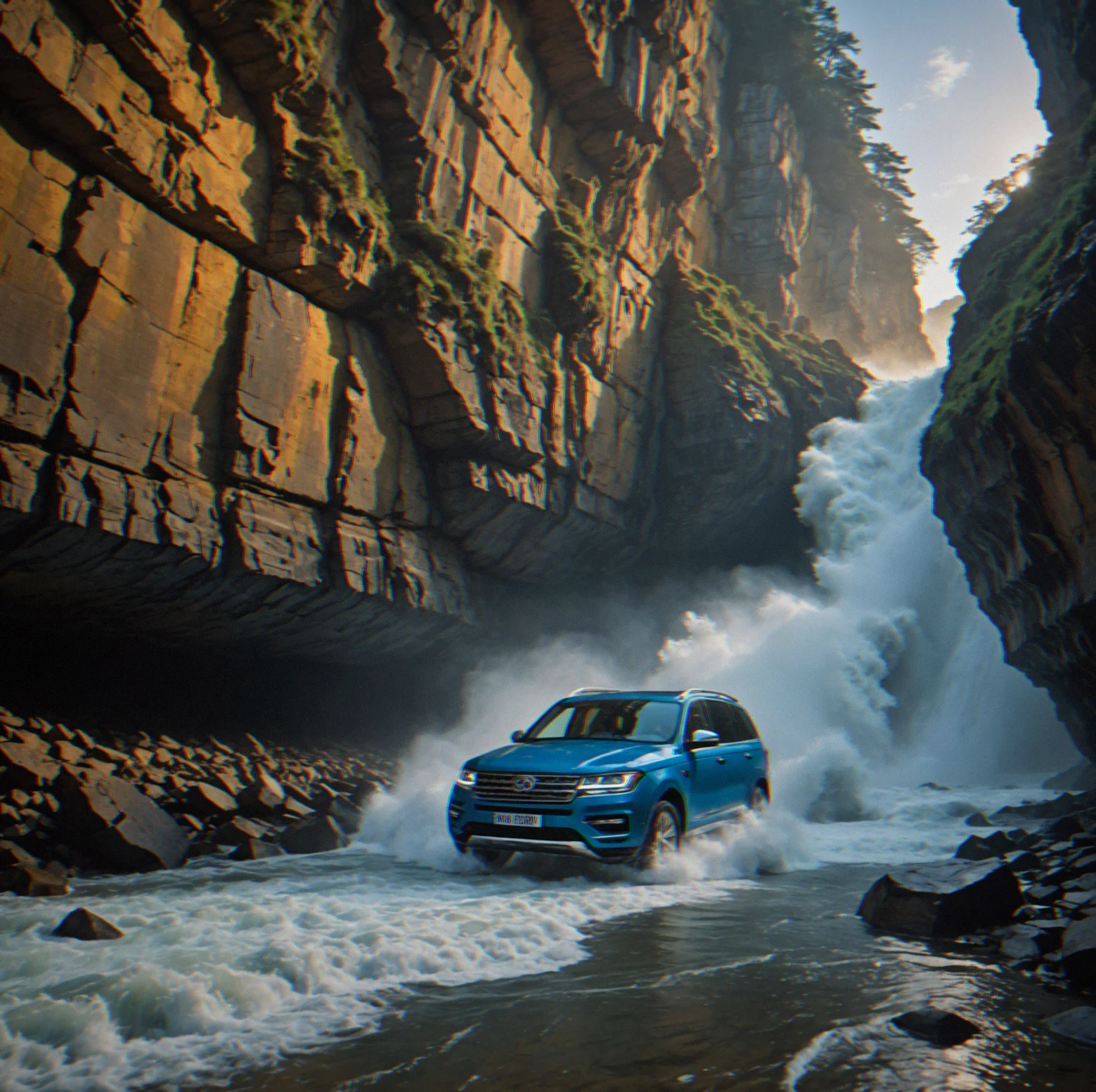
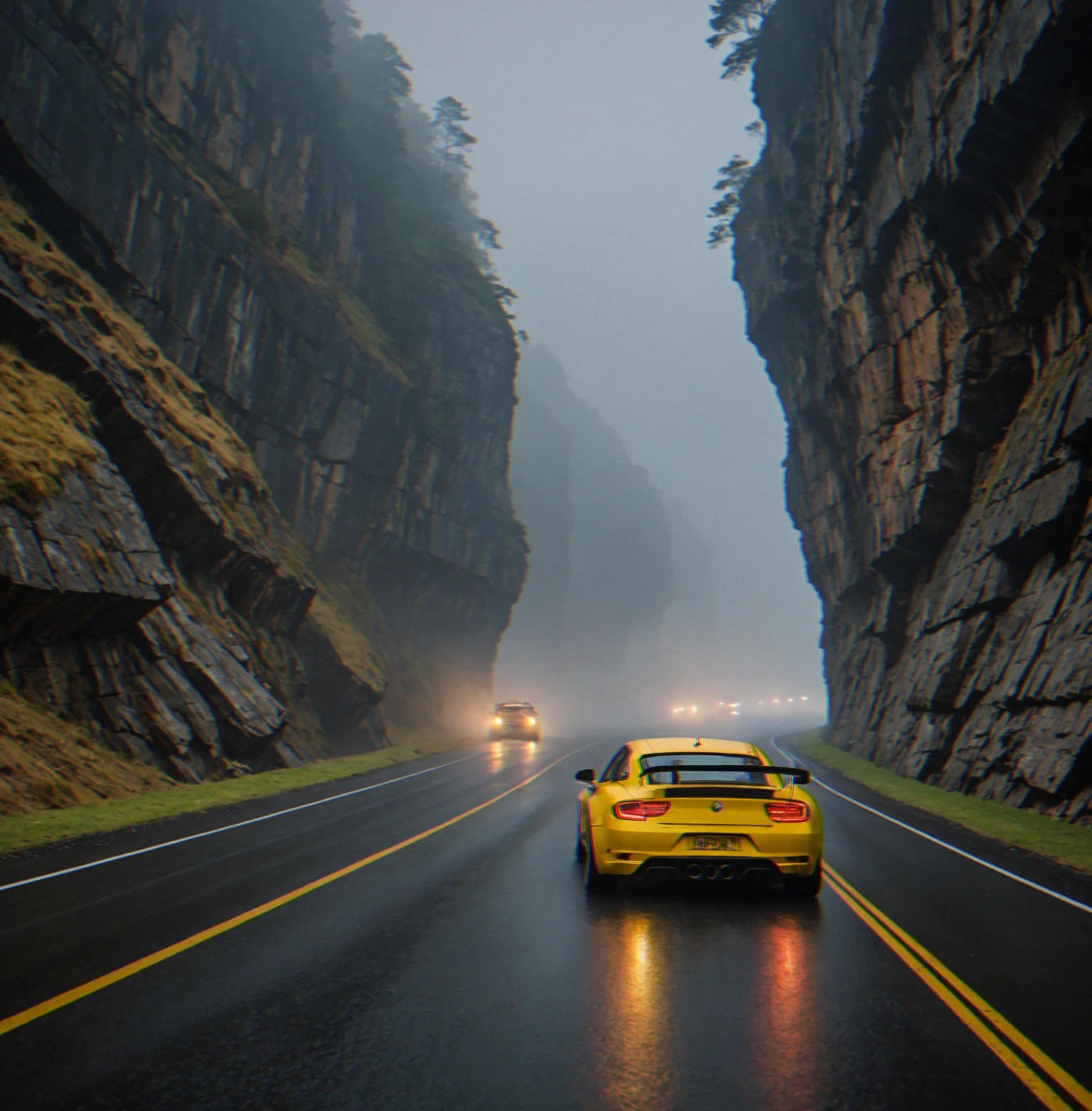
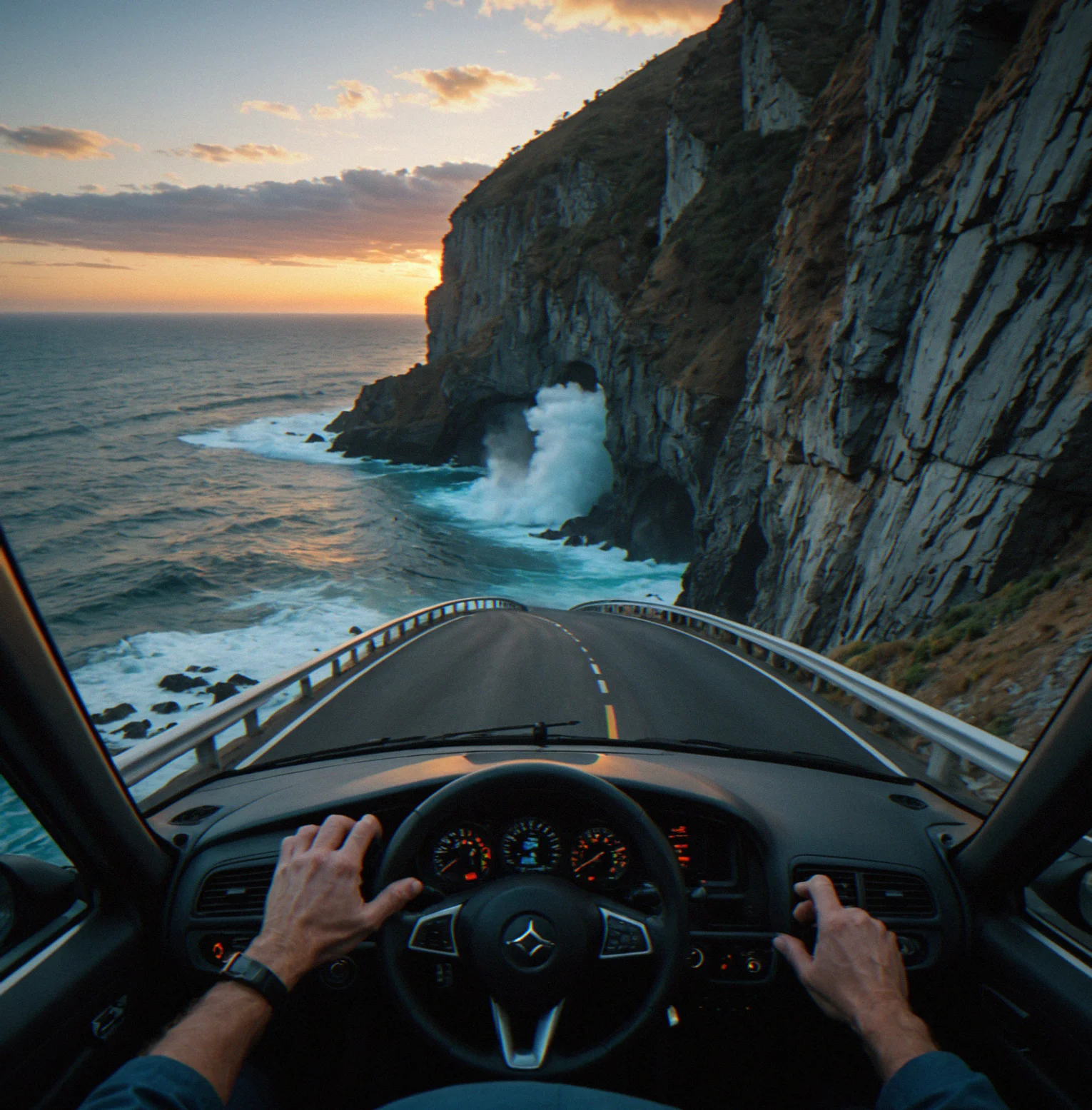
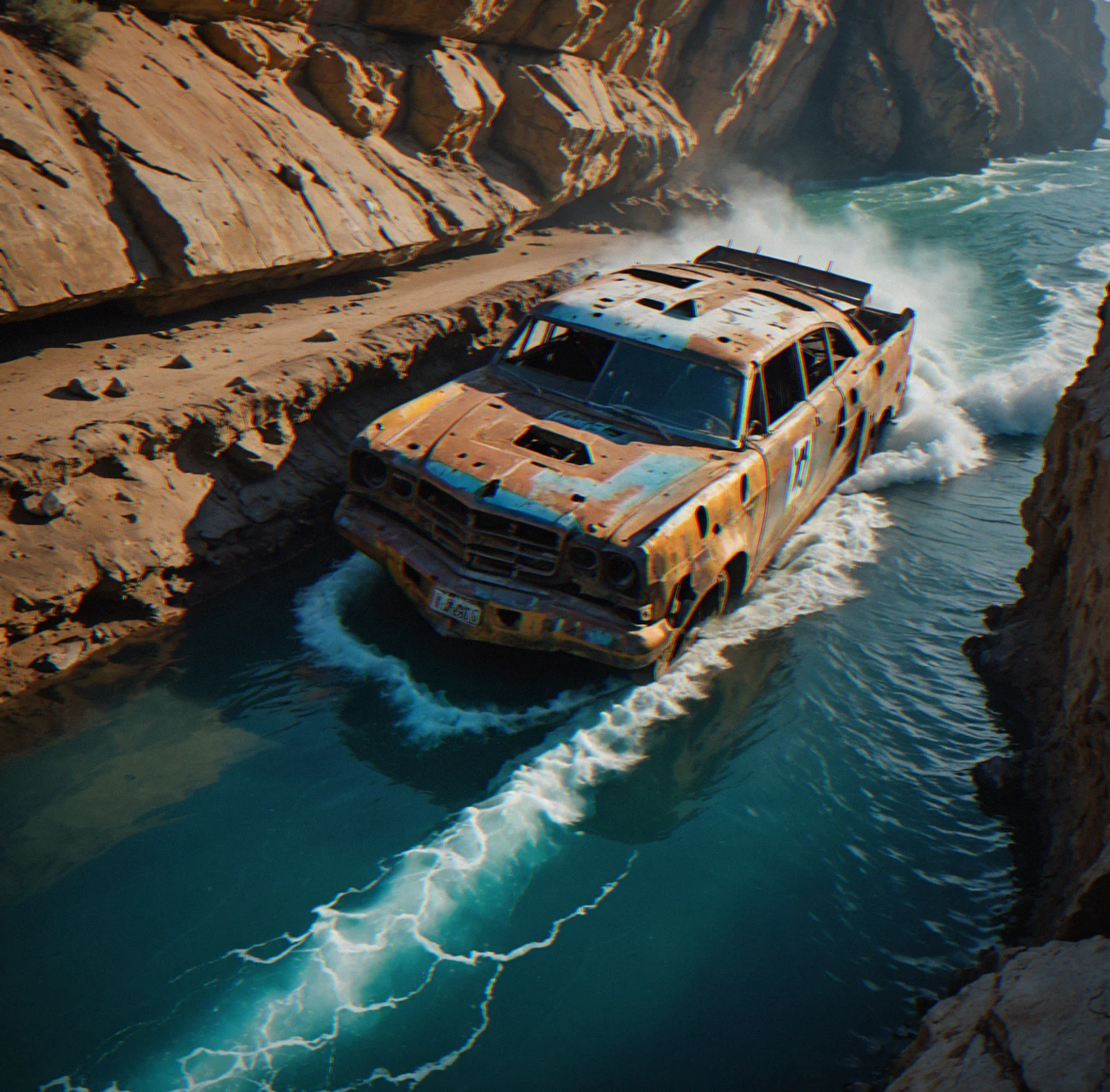
That cliff-edge corner at MotionCove isn't just a turn — it's a physics problem that completely changes every six hours. When the tide's out the asphalt dries fully, grip peaks around 1.24, and you can carry 148 kph through the apex without losing traction. Then water starts pooling as the tide comes in. High tide floods the entire inside line with something like 15 centimeters of saltwater, grip tanks to 0.89, and you're braking nearly 40 meters earlier than you would on a dry day. That cave shortcut that normally saves you over two seconds a lap? Gone underwater. So you end up learning two completely different racing lines through that section, maybe three if you count the alternate path over the upper cliff — and you practice switching between them because race day might throw conditions at you mid-session that force you to adapt on the fly.
The game generates all the small details procedurally. Limestone absorbs water unevenly depending on microclimate exposure, how much salt's in the air and the way coastal wind patterns funnel through the cliff geometry. A 12 mph gust coming from the soithwest dries the surface faster than the same wind from the northeast because the terrain channels moisture differently. Salt spray settles into tiny pockets across the asphalt, creating grip variations that shift from session to session. You can't just grab a setup from someone else and expect to dominate — you have to actually read what's happening with the track, adjust your lines accordingly and commit to them. That's kind of the whole design.
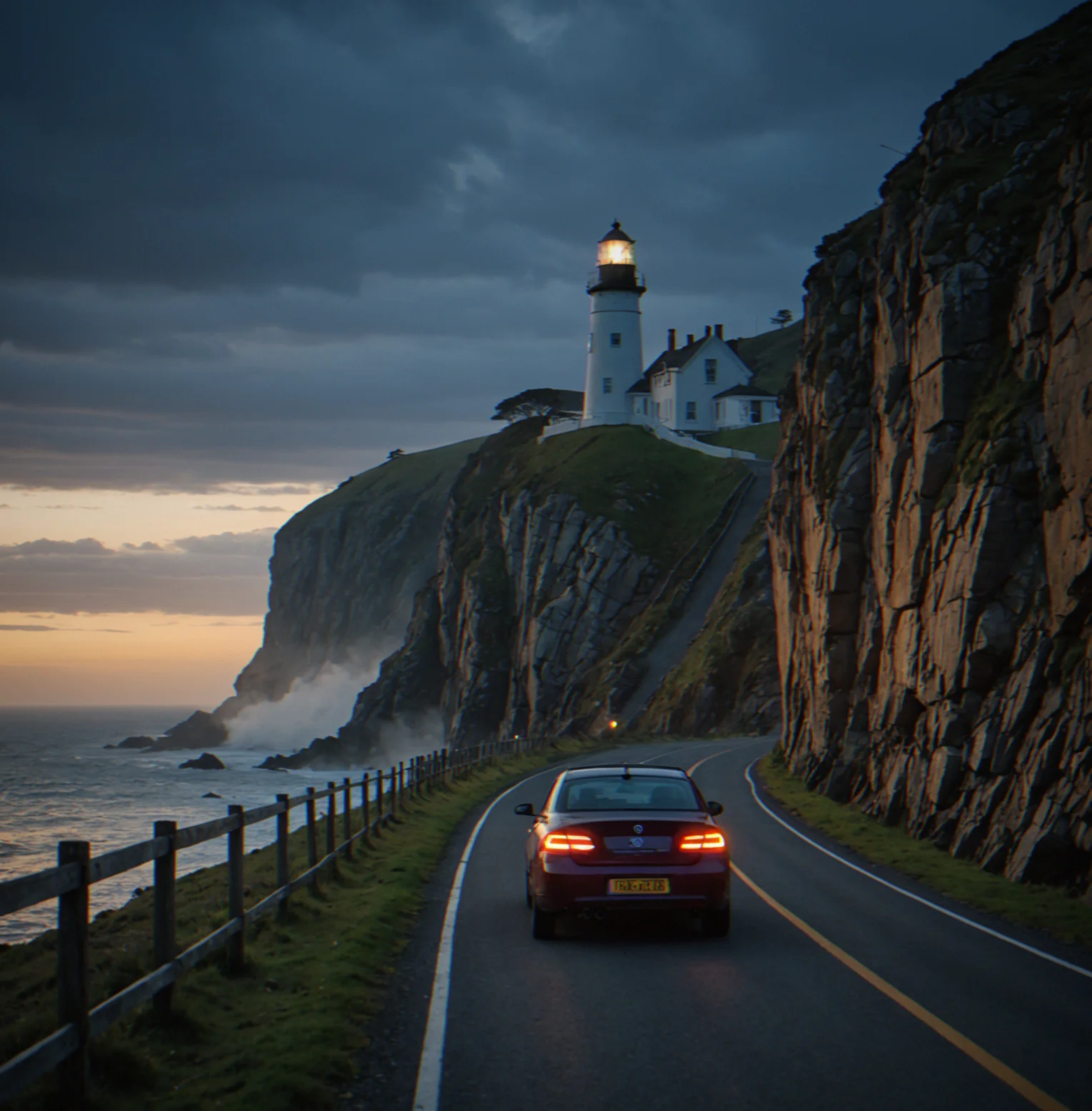
The environmental details are there because this feels like a real place rather than just a racing sandbox. Weathered boathouses sit near turn six. A lighthouse rotates every 18 minutes, and during evening sessions its beam sweeps across the track occasionally. A wrecked fishing vessel sticks out of the shallow water near the southern hairpin — it doesn't do anything gameplay-wise, no points for finding it and nobody's ever gained a tenth of a second by discovering it. It's just there because the track exists in a world that has history, storms that left wreckage behind, people who lived and worked on this coast before anyone carved a circuit through the limestone.
Tidal Window Mastery
Cave shortcuts only open at specific water levels. Time your practice around the 12-hour cycle or you're leaving more than two sceonds per lap on the Table.
Grip Variance by Microclimate
Salt spray, wind direction and how the limestone soaks up moisture create roughly two dozen dynamic surface parameters. Every session plays out differently — you adapt or you don't.
Real Environmental Storytelling
Boathouses, lighthouses and shipwrecks aren't just window dressing. They ground the track in an actual location with history, weather patterns and geography that matter.
Physics Engine: What Changes When Water Rises
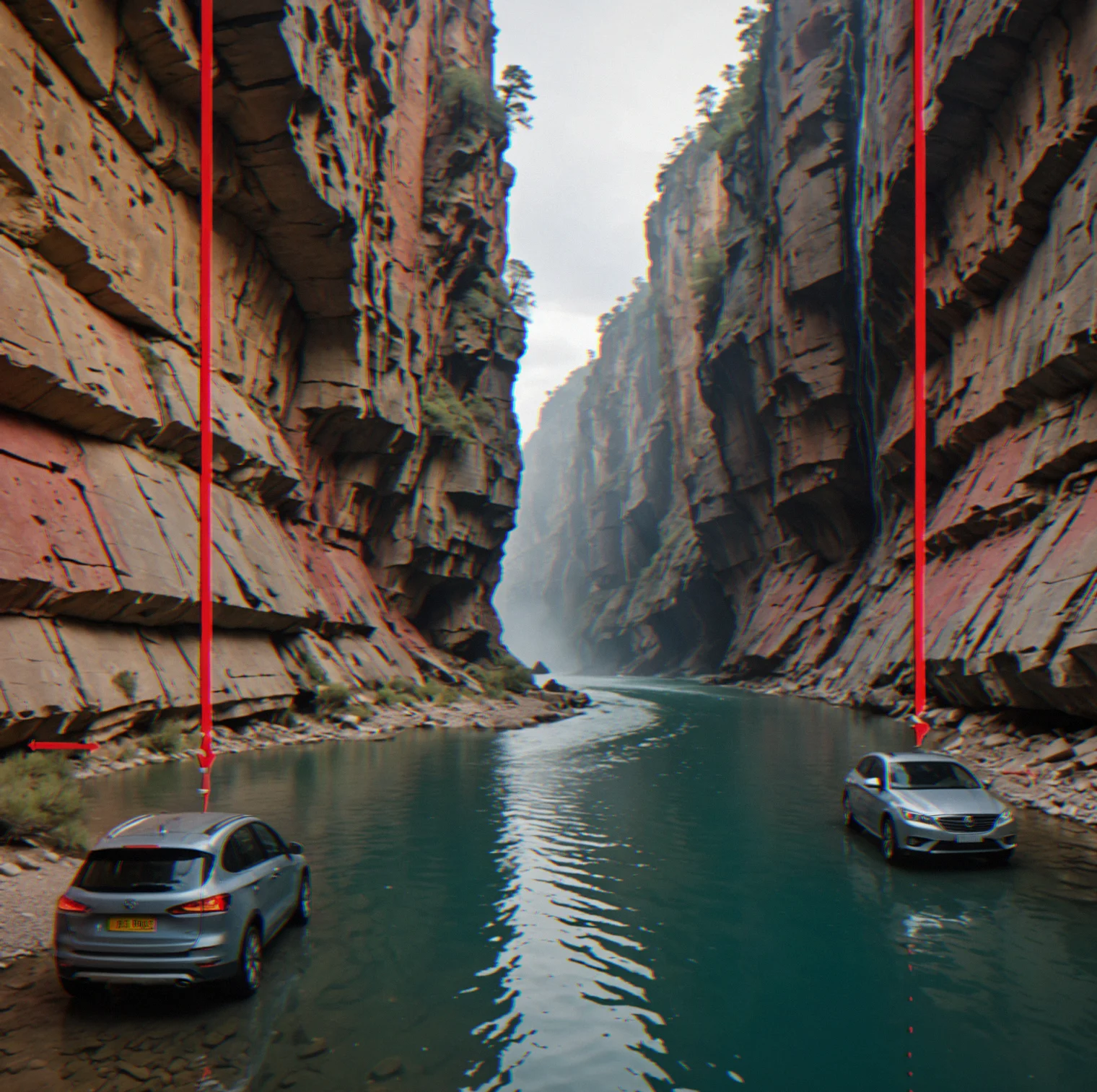
Grip isn't locked in stone at MotionCove. The cliff-edge corner banks at 47 degrees, and on a dry 65°F afternoon you're looking at a friction coefficient around 1.24 — that gets you through the apex at about 148 kph before you start sliding. When it rains, that coefficient drops to 0.89 and suddenly your speed threshold plummets to 119 kph. So you're bleeding roughly 29 kph of speed just because the surface is wet. Over a 20-lap race that compounds fast because you're losing time on every pass through that corner, and it adds up in ways that matter.
There's this tidal pooling thing happening at the inside apex that doesn't match what's happening elsewhere on the track. The limestone floor soaks up saltwater in uneven patterns, mineral deposits create these tiny pockets that trap water and wind exposure changes how fast different sections dry out. You see it first in your telemetry data — turn 3 runs about 0.3 seconds slower at mid-tide than at low tide because the water pocket nudges your line inward. By roughly 2.4 meters. Then you adapt your driving. Then the next session rolls around with a different tidal height and the whole thing shifts again.
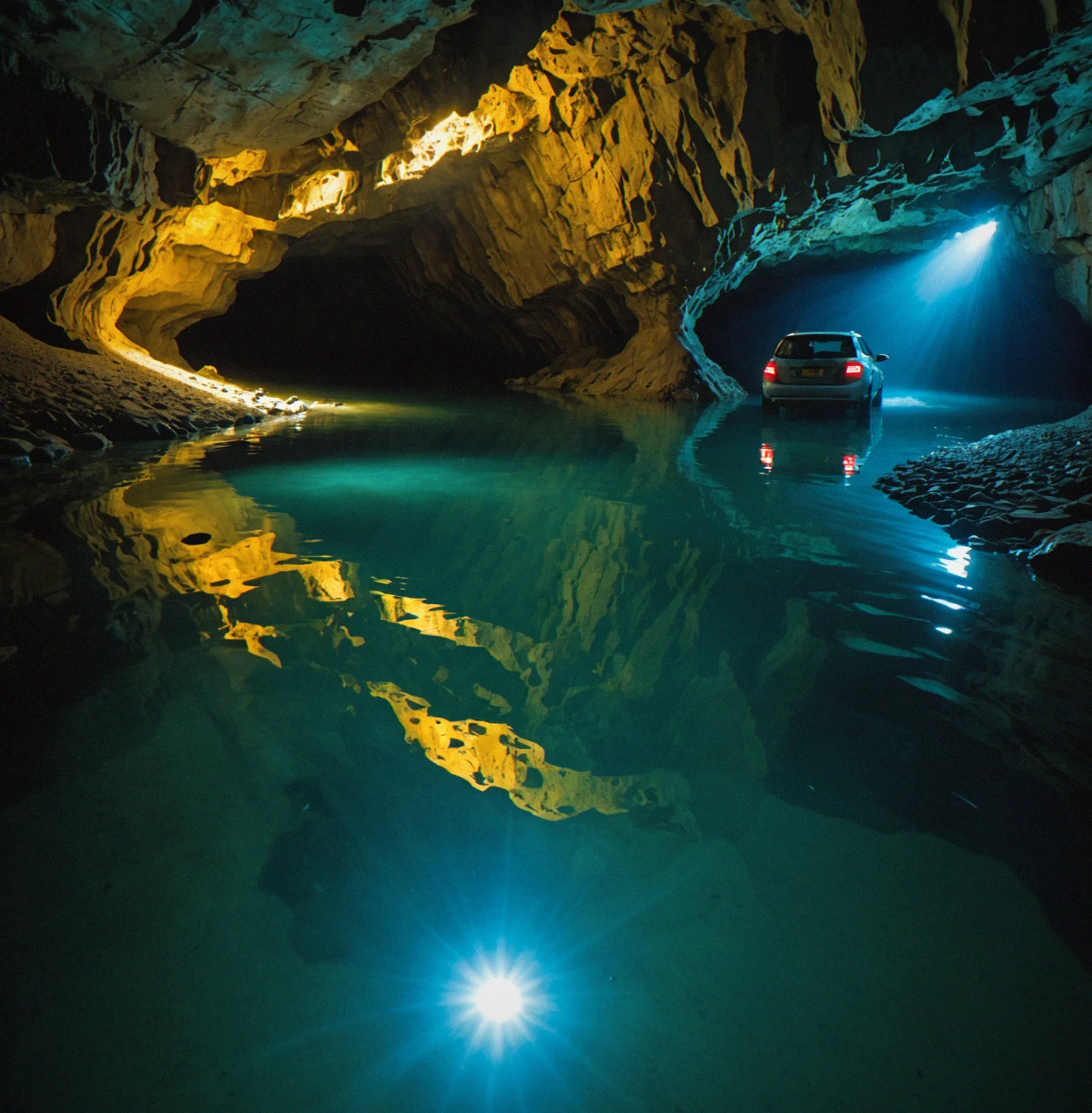
Cave passages have this 12-hour flooding cycle that opens and closes on you. A shortcut that worked yesterday is underwater today because the water level rose. You need to know the exact entry angles for whatever depth you're dealing with that session. Low tide, you can thread a tight racing line through the narrow section. Higher tide pushes you wider because the water surface becomes a dynamic obstacle in your path. You don't memorize one approach — you memorize three.
What You Need to Run MotionCove
MotionCove runs on Unreal Engine 5 with real-time water volumetrics and ray-traced reflections, so your GPU actually matters. The tidal simulation and procedural generation systems need consistent frame rates, especially in multiplayer where a dozen drivers are all jostling for grip on a track that's shifting beneath you. You want at least an RTX 3070 or RX 5700 XT to stay competitive. Go lower and you'll see frame dips when weather changes roll in, stutters when the cave floods. Miss your braking point because the framerate choked and you lose a championship. That's not great.
GPU: RTX 3070 or RX 5700 XT (minimum)
Real-time water simulation and volumetric fog eat VRAM. An RTX 4070 Super or RX 7800 XT is the safer bet if you want stable 144 Hz on high detail.
CPU: Ryzen 5 3600 / i7-10700K or newer
Procedural tidal calculation and physics threading spread across multiple cores. Newer chips just handle weather transitions without hiccups.
RAM: 16 GB minimum
Tidal state tracking and track variation data live in memory. Go to 32 GB and memory pressure disappears during long sessions, which you'll notice.
Storage: 85 GB SSD space
Unreal Engine 5 assets and procedural data cache need fast read speeds. NVMe is what you'd expect. SATA SSD technically works but loading times get annoying.
Wheel support: DirectInput-compatible devices
Most modern wheels with force feedback plug in and work. Keyboard and gamepad get you through practice but for actual racing you're going to want a wheel.
MotionCove FAQ
Actual questions from people who race sims and colelct coastal games. No marketing speak—just straight answers.
Stay in the loop with track updates, tidal forecasts, and discovery guides sent right to your inbox.
Every week you'll get the breakdown on upcoming tidal cycles, tips from other racers in the community, and first dibs on seasonal championship rotations. Plus whenever someone finds a new shortcut through a cave passage, that's coming to you first. We keep it clean—no spam, no arcade stuff, just the sim-racing intel that matters for MotionCove.